LIST OF PLANTS FROM SELECTED AREA
1.Eichhornia crassipes(WATER HYACINTH)
FAMILY:Pontederiaceae
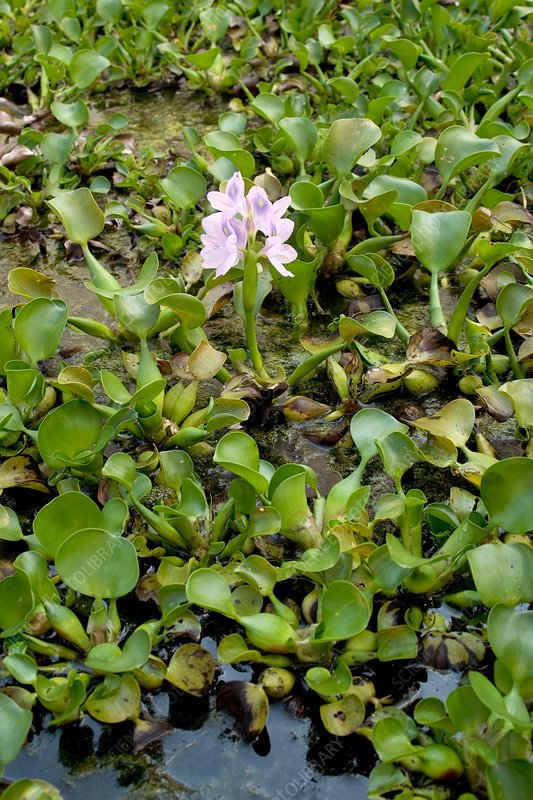
Kulavazha (popularly known as the water hyacinth or Pontederia crassipes / Eichhornia crassipes) is a highly aggressive, free-floating aquatic weed native to South America. Famously dubbed the "Terror of Bengal" and the "green monster" in India, it reproduces exponentially via clonal runners and resilient seeds, capable of doubling its population in just one to two weeks. The plant thrives in nutrient-rich freshwater bodies, forming dense, thick mats across the water surface. These suffocating mats block sunlight, deplete dissolved oxygen levels, choke out native biodiversity, and completely disrupt local fishing and boat navigation. While it poses severe ecological and socioeconomic challenges, modern mitigation efforts also explore utilizing harvested kulavazha for bio-fertilizers, wastewater phytoremediation, and handicrafts
2.ACROSTICHUM(MANGROVE FERN/GOLDEN LEATHER FERN)
FAMILY:PTERIDACEAE
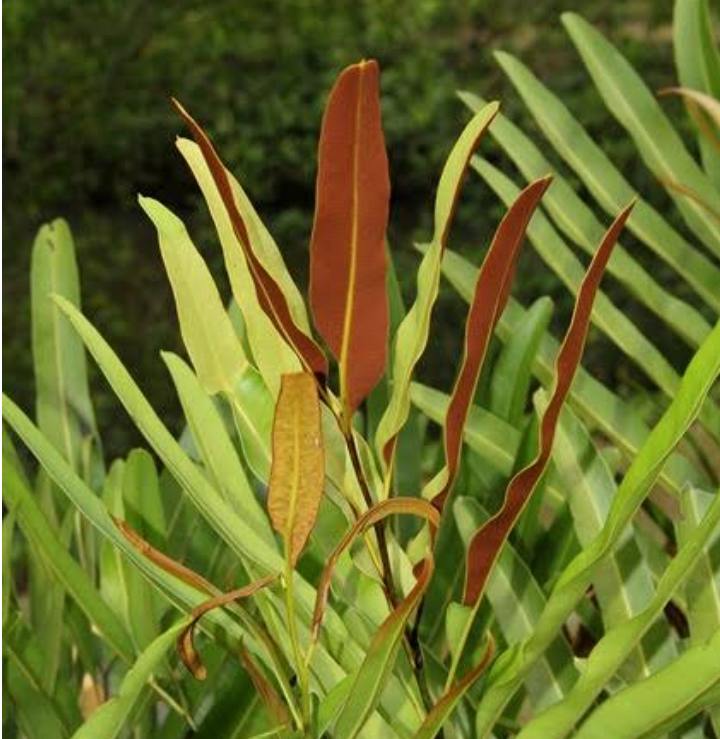
Acrostichum (commonly known as the mangrove fern or leather fern) acts as a highly adaptive and pioneering invasive weed in degraded or clear-cut coastal environments. While native to pantropical wetland zones, species like Acrostichum aureum rapidly colonize areas stripped of local vegetation. Because it thrives under full sun exposure and exhibits a high tolerance for salinity, it aggressively outcompetes other flora in disturbed habitats. Its dense, gregarious growth forms thick, tall thickets—often reaching up to 3.7 meters—that effectively block sunlight and physically interfere with the natural regeneration of vital native mangrove trees
3.MIKANIA SCANDENS (CLIMPING HEMPWEED)
FAMILY:ASTERACEAE
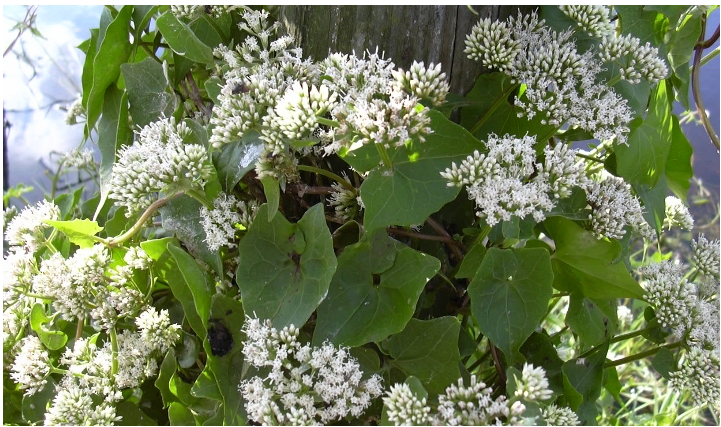
Mikania scandens, or climbing hempweed, is a herbaceous vine native to Eastern North America that is often confused with the invasive Mikania micrantha. While M. scandens can act as a local weed in its native range, it is not considered broadly invasive there and is even endangered in some parts of its native range. Its invasive reputation in places like Hawaii and Southeast Asia is likely due to misidentification with the highly invasive M. micrantha, which is known for its serious environmental and economic impacts
4.CHROMOLAENA ODORATA (SIAM WEED/COMMUNIST PACHA)
FAMILY:ASTERACEAE
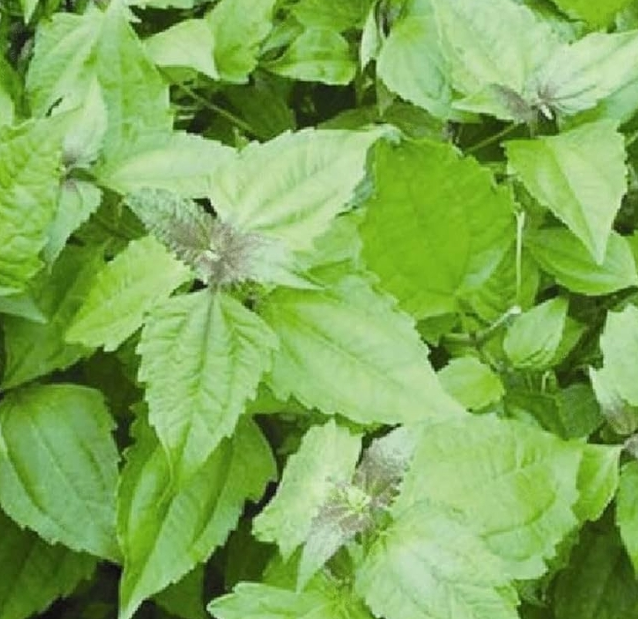
Siam weed is a fast-growing, invasive perennial shrub native to South and Central America that has become a major weed in tropical and subtropical regions .It forms dense, tangled bushes, grows to 1.5–2.5 meters tall, and can climb other vegetation to reach up to 6 meters. Key identifying features include triangular leaves with a distinctive "pitchfork" pattern and small, fragrant, fluffy flowers that are white when young and turn mauve or purple as they mature. It outcompetes native plants, has allelopathic effects (releasing chemicals that inhibit other plants), can cause skin allergies, and its leaves are toxic to cattle.
5.Lantana camara(KONGINIPOO/WILD SAGE)
FAMILY:Verbenaceae
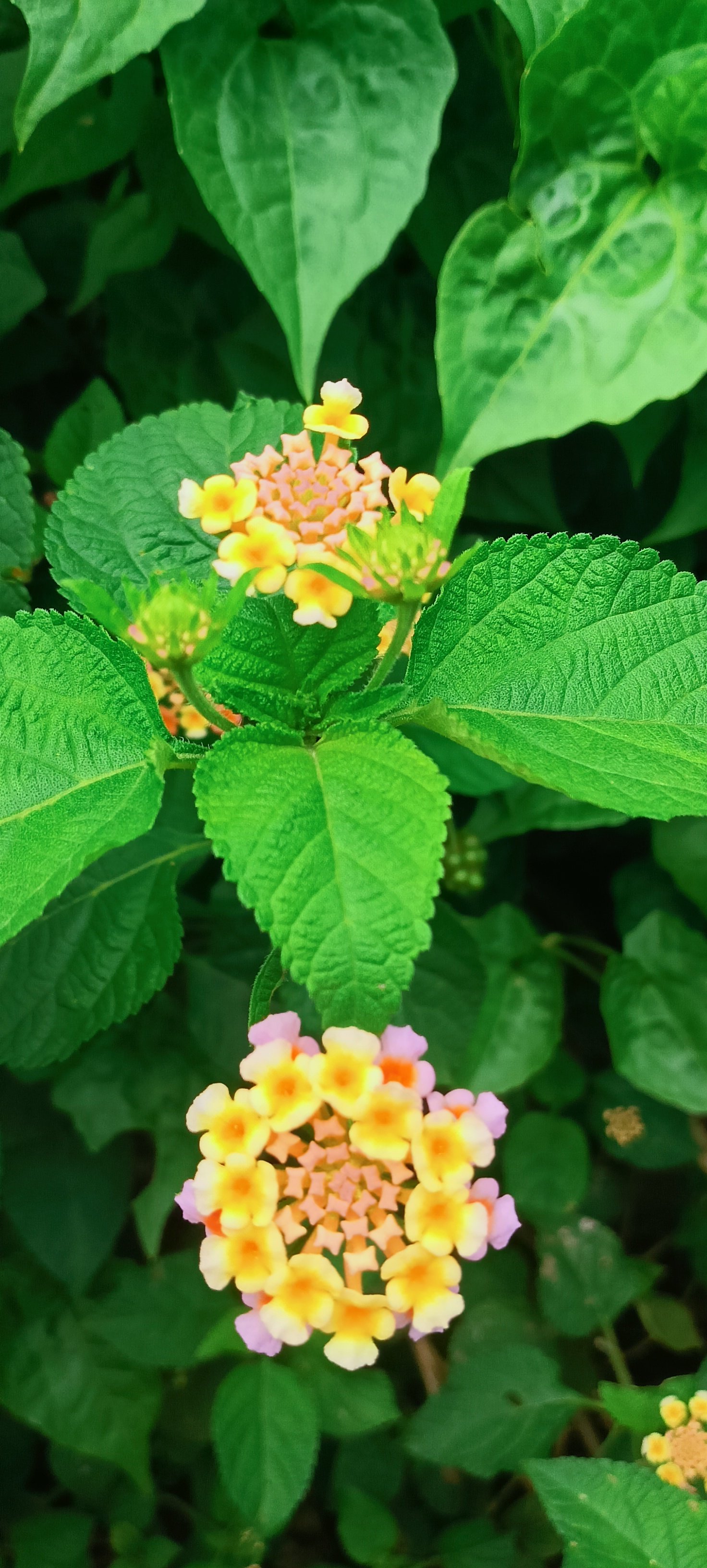
Kongini poo, scientifically known as Lantana camara, is a highly destructive invasive alien shrub native to the American tropics. Introduced to India during the 19th century as an ornamental garden plant, it has rapidly escaped cultivation and aggressively colonized vast areas, including more than 130,000 square kilometers across the country. The species is notoriously difficult to control due to its prolific seed production, efficient dispersal by birds, and high tolerance to extreme weather. Lantana poses a severe ecological threat by forming dense, impenetrable thickets that completely crowd out native vegetation, altering soil chemistry through the release of allelopathic chemicals that inhibit competing plant growth, and acting as a toxic hazard to local livestock and wildlife